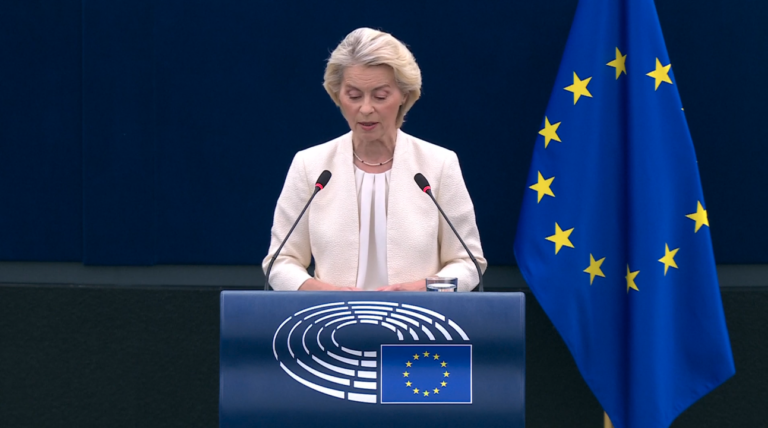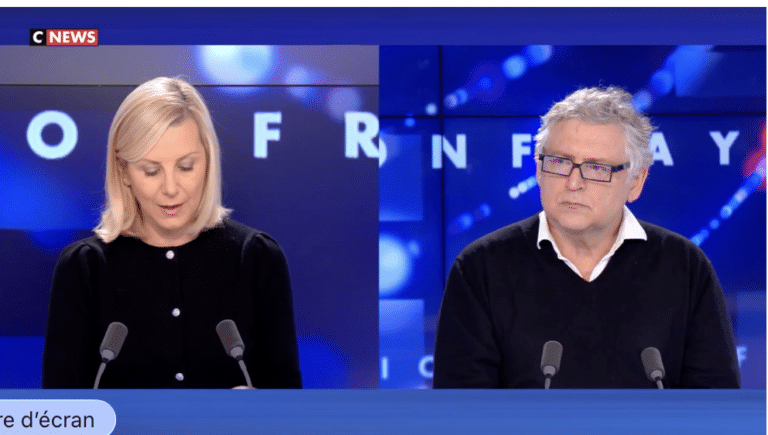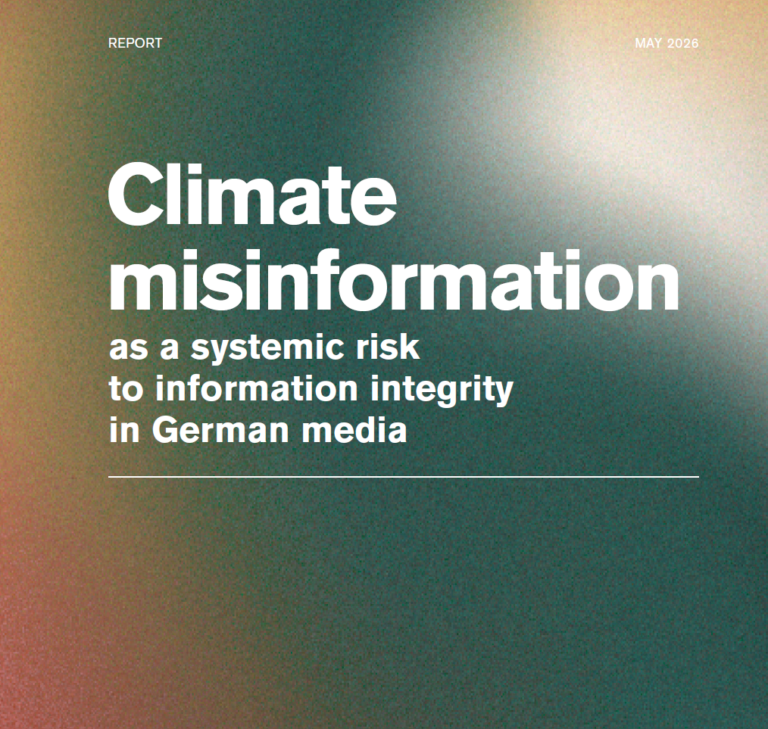

At the invitation of the European Commission, QuotaClimat becomes a signatory to the Code of Conduct on Disinformation, integrated into the EU Digital Services Act (DSA). This marks the first time that a non-profit organisation specialising in climate information has joined this framework, alongside major digital platforms, fact-checkers and civil society organisations. The announcement was made today during a plenary session in Brussels.
Established in 2018 as a voluntary Code of Practice and strengthened in 2022, the Code brings together commitments by major digital platforms to combat disinformation, including the demonetisation of misleading content, transparency in political advertising, and support for research and fact-checking.
In February 2025, the European Commission and the European Board for Digital Services approved its integration into the DSA, which has applied since 1 July 2025. Participation remains voluntary, but the commitments made by signatory Very Large Online Platforms (VLOPs) are now assessed as part of their annual audits and contribute to the assessment of their compliance with the DSA.
For many civil society organisations, the Code of Conduct on Disinformation is one of the few avenues available for direct engagement with major digital platforms.
As a member of the Climate Action against Disinformation coalition, QuotaClimat will contribute its expertise on climate disinformation through the Code’s two annual plenary sessions and three working groups: monitoring, rapid response systems and elections.
A turning point in the regulatory approach to combating disinformation
For QuotaClimat, joining the Code marks a shift in the regulatory approach to disinformation. Until now, EU regulation has addressed disinformation primarily through a generalist approach, with tools designed specifically for electoral periods and foreign interference.
This approach leaves blind spots in certain thematic areas where exposure to disinformation has specific characteristics, including the actors involved, the narratives being disseminated and periods of heightened risk. Climate change is a particularly clear example.
Climate disinformation intensifies during extreme weather events, including wildfires, floods and heatwaves, when heightened public and media attention creates economic and political incentives to spread misleading content. These are precisely the moments when access to reliable information is most critical.
These spikes in climate disinformation are now documented and therefore predictable. A regulatory framework that incorporates subject-matter expertise can anticipate them rather than respond only after the fact. This is the ambition behind QuotaClimat’s participation in the Code.
Drawing on aggregated data produced in France, Germany, Spain and Belgium, QuotaClimat aims to strengthen the recognition of climate disinformation as a systemic risk for major digital platforms under Articles 34 and 35 of the DSA, equip national regulatory authorities with the means to act, and sustain political pressure on the European Commission to ensure robust implementation of the DSA.